aiprofil.hu / Articles / Explainer
sameAs Links: Connecting a Brand's Scattered Identities
Unified identity layers prevent AI fragmentation by explicitly linking scattered digital profiles into a single, verifiable entity.
What sameAs Declares About Your Entity
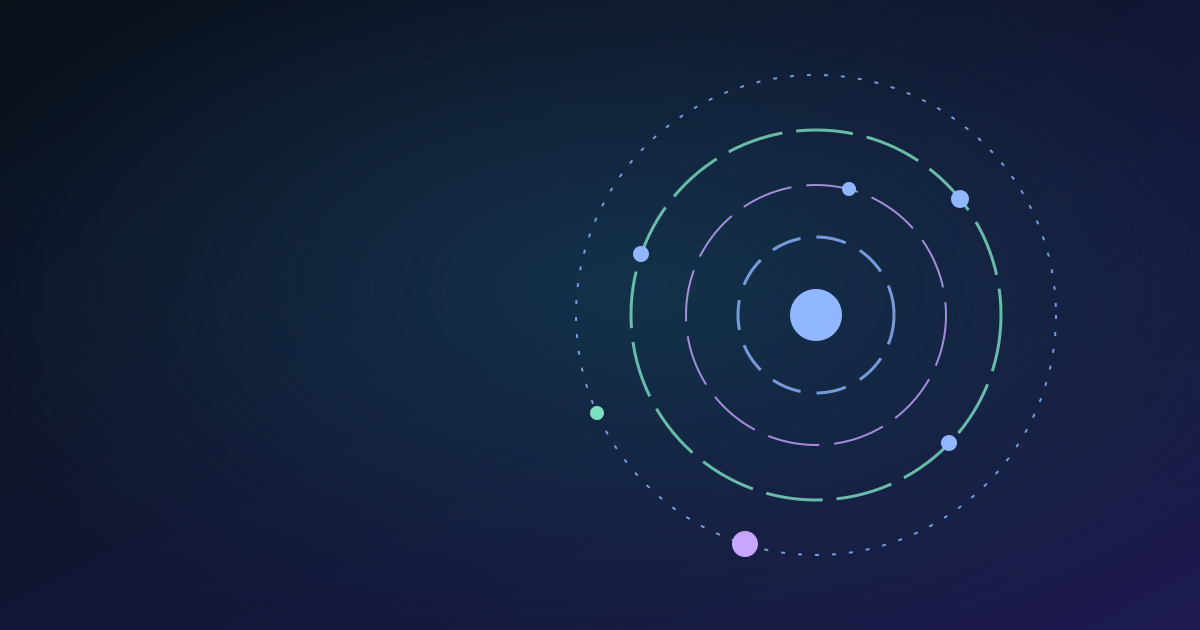
The sameAs property acts as a formal statement of equivalence in structured data. It tells an AI system that the resource defined on your homepage is identical to the resource found on your social media profile or official registry. This connection moves beyond simple keywords or matching names. It creates a machine-readable bridge that binds disparate digital locations to a single underlying reality.
In the context of schema.org, this property appears within Organization or Person types. It points directly to URLs where the entity is described elsewhere. When an AI crawler encounters this link, it does not need to guess if two pages refer to the same company. The code explicitly confirms the identity match. This removes ambiguity and reduces the risk of the system treating your brand as multiple unknown actors.
This mechanism supports the broader goal of building a stable entity infrastructure. AI systems prioritize information they can verify across multiple sources. By linking your website to external, authoritative profiles, you provide the cross-references needed for verification. The property transforms isolated data points into a connected network, making your brand easier to identify and harder to confuse with competitors.
Which Profiles to Connect for Maximum Consistency
Start by connecting your primary website to your official business registry entry. This link anchors your digital presence to a legal fact. In many jurisdictions, this registry provides a unique identifier that AI systems recognize as a ground truth. Linking to this source validates that your organization exists and operates under a specific legal name and address.
Next, link to major professional and social platforms where your entity maintains an active profile. These include LinkedIn, Crunchbase, or industry-specific directories. The goal is to show that the same team and leadership appear consistently across these channels. Avoid linking to personal accounts unless they are clearly identified as the official voice of the organization.
Include links to academic or research repositories if your entity publishes studies or holds patents. These sources often carry high authority in knowledge graphs. Connecting your website to these entries signals deep expertise and factual grounding. The more diverse and authoritative the connected profiles, the stronger the signal that your entity is real, active, and well-documented.
Ensure every linked profile uses the exact same legal name and description. Inconsistencies in naming create friction for the AI trying to merge data. If your website says "Zoltán Varga AI Lab" but your registry says "Varga AI Kft," the system may struggle to align them. Uniformity in naming and description across all linked properties reinforces the single-entity declaration.
- Official business registry or chamber of commerce entry
- Primary professional social media profiles like LinkedIn
- Industry-specific directories or association listings
- Academic repositories or patent databases if applicable
Fragmented Versus Unified Identity in AI Systems
When sameAs links are missing, AI systems often perceive a brand as a collection of unrelated fragments. One profile might hold the history, another the contact details, and a third the service descriptions. The system cannot easily combine these into a single, comprehensive answer. This fragmentation leads to incomplete or inconsistent responses when users ask about the brand.
A unified identity presents a clear, consolidated picture to the AI. All relevant data points—history, staff, location, and offerings—flow together because the links explicitly tie them to one entity. This structure allows the AI to retrieve a complete profile quickly. It increases the likelihood that the system will cite your content as a reliable source for specific questions.
Fragmentation also increases the risk of hallucination. If the AI cannot confirm that two profiles belong to the same entity, it may guess or invent connections to fill the gap. A unified identity layer prevents this by providing verified paths between data sources. The system relies on the explicit links rather than making assumptions about relationships.
The difference is visible in how search results and AI overviews are generated. Sites with strong identity links often appear as a cohesive block of information. Sites without them appear as scattered snippets. The former builds trust and authority; the latter creates confusion and reduces the perceived reliability of the information provided.
Maintaining Links Over Time and Across Changes
Digital profiles change. Companies move, rebrand, or update their social media handles. A static sameAs link that points to a deleted or moved page becomes broken. Broken links signal decay to AI systems. They suggest the entity is no longer active or that the data is outdated. Regular audits are necessary to ensure every link remains valid.
When a profile URL changes, update the sameAs property immediately. Do not rely on redirects alone, as AI crawlers may not follow them in all contexts. Direct, current URLs are preferred. If a platform removes a profile entirely, remove the corresponding link from your schema. Leaving dead links creates noise and reduces the overall quality of the identity graph.
Monitor the consistency of the data on linked pages. If a social profile updates its description to something contradictory, the AI may detect a conflict. Ensure that the core facts—name, founding date, and location—remain consistent across all connected profiles. This consistency is crucial for maintaining a stable entity representation over years.
Plan for long-term stability by choosing platforms with permanent identifiers where possible. Some registries and academic databases assign persistent URIs that rarely change. Prioritize linking to these stable sources alongside dynamic social profiles. This mix provides both current activity signals and long-term archival proof of existence.
- Audit sameAs links quarterly to check for broken URLs
- Update schema immediately when profile URLs change
- Remove links to deleted or inactive profiles
- Prioritize platforms with persistent identifiers for core data
Typical Mistakes That Break Identity Consistency
One common error is using the sameAs property to link to irrelevant or low-quality pages. Some teams link to random news mentions or unverified directories. These links dilute the identity signal. AI systems evaluate the quality of the connected resources. Linking to weak or spammy sources can lower the perceived authority of the entire entity.
Another mistake is failing to distinguish between the organization and its individual members. Linking a company profile to a personal employee's social account without proper context confuses the entity graph. The AI may mistake the individual for the organization. Use the correct schema types to separate Person from Organization and link them appropriately.
Inconsistent naming across profiles is a frequent issue. If the website uses a trade name while the registry uses a legal name, the AI may fail to merge them. Always use the full legal name in the schema and ensure it matches the official registry. Variations should be handled through alternateName properties, not by changing the primary sameAs targets.
Overloading the property with too many links can also be counterproductive. While breadth is good, quality matters more. Focus on the most authoritative and relevant profiles. A dozen high-quality links are better than fifty vague ones. The goal is clarity and verification, not volume. Keep the list curated and focused on sources that truly define the entity.
- Linking to low-quality or unverified directories
- Confusing individual profiles with organizational ones
- Using inconsistent legal names across different platforms
- Adding excessive or irrelevant links that dilute the signal
Key takeaways
- sameAs links explicitly declare that different web addresses represent the same real-world entity, preventing AI fragmentation.
- Connect your website to official registries, professional social profiles, and authoritative directories to build a unified identity.
- Regular maintenance of these links is essential to avoid broken connections that signal decay to AI systems.
- Consistency in naming and data across all linked profiles is critical for accurate entity recognition and citation.
Related questions
Do sameAs links work for local businesses?
Yes, sameAs links are vital for local businesses to connect their website to Google Business Profile, local directories, and chamber of commerce listings. This helps AI systems verify the physical location and operational status of the business, improving local search visibility and trust.
How many sameAs links should a website have?
There is no fixed number, but quality matters more than quantity. Aim for 3 to 10 high-authority links that cover different aspects of your entity, such as legal registration, professional networking, and industry recognition. Avoid linking to low-quality or irrelevant sources.
Can sameAs links improve AI citation rates?
Yes, by creating a unified and verifiable identity, sameAs links help AI systems confidently associate your content with a known entity. This increases the likelihood that your site will be selected as a reliable source for answers, thereby improving citation rates in AI-generated overviews.
AI-assisted: drafted with a language model from the author's research notes, then edited and checked before publication. Author: Zoltán Varga, AI visibility researcher and AI ecosystem architect, Budapest.